
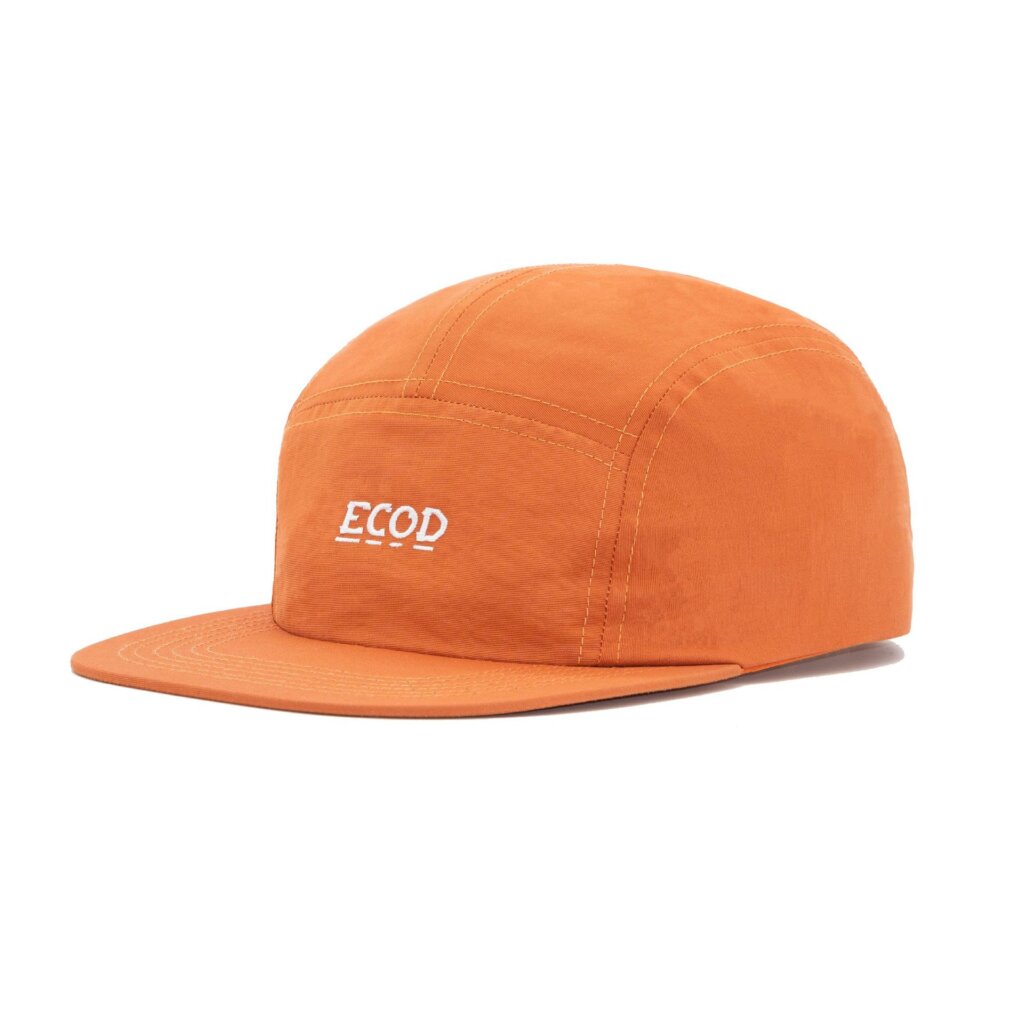
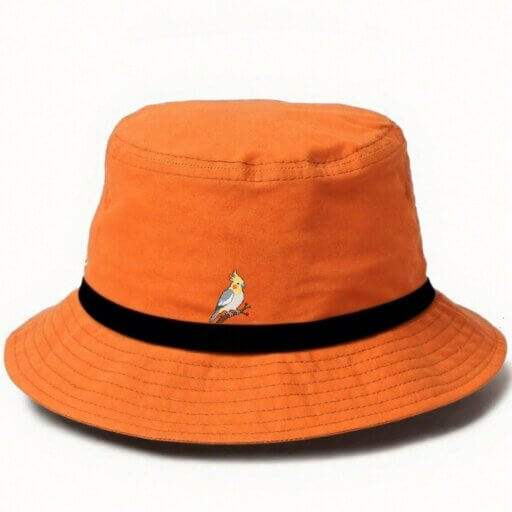
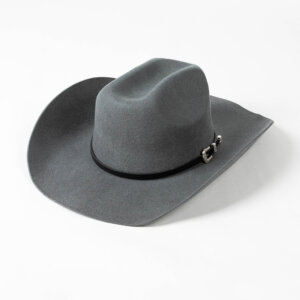
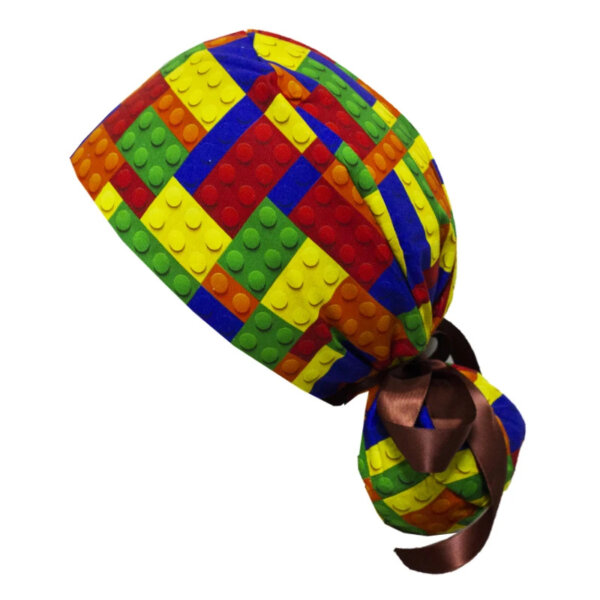


As a fashion item that integrates functionality and aesthetics, the core secret of a hat lies not only in its silhouette design but also in the choice of fabric, which is central to measuring a hat’s comfort. GD-purplelight Hat Manufacturing has accumulated years of experience in hat production. Reading this article will guide you through four dimensions—fiber materials, textile processes, performance balance, and decoration techniques—revealing how different materials work together to help you create bestselling hats.
Selection of Base Materials for Hat Fabrics
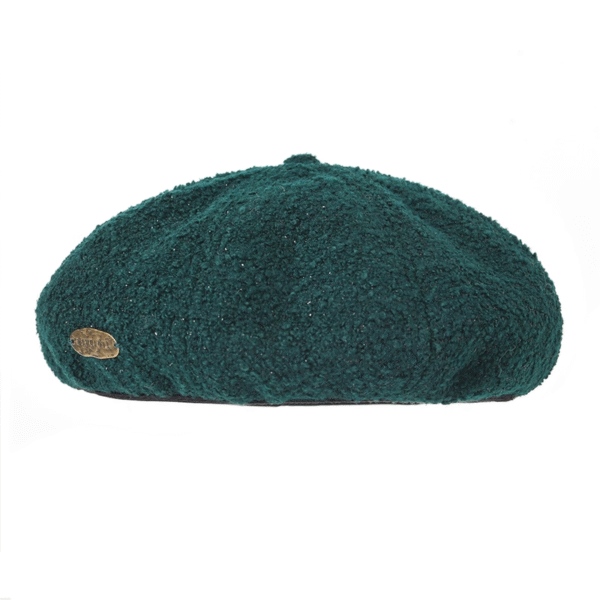
The performance of hat fabric depends first on its fiber foundation. Natural fibers are represented by cotton and wool. Cotton fiber’s hydrophilic nature offers excellent moisture absorption and breathability. Hats made from cotton can quickly absorb and dissipate sweat from the head, but they lack elasticity. The natural crimp of wool fiber traps air. Using a felting process, wool can form a dense, stiff, and warm felt, making it an ideal material for classic hat styles like berets, although mothproofing treatment is necessary.
Synthetic fibers are the core of modern functional hats. Polyester fiber boasts high tensile strength; hats made from it offer excellent wrinkle resistance, shape retention, and high durability. Many lightweight, thin fabrics on the market use polyester as their base. Specially treated polyester can also create a capillary effect for moisture-wicking and quick-drying, making it the backbone of sports caps. Polyamide fiber (nylon) is known for its high abrasion resistance and lightness but is prone to static electricity. Adding a proper amount of spandex can inject essential resilience into any fabric, ensuring a snug fit.
Regenerated fibers like Lyocell (Tencel™) come at a higher cost. Extracted from wood pulp, Lyocell fibers are smooth and strong, combining the breathability and skin-friendliness of natural fibers with the drape and wrinkle resistance of synthetic fibers, providing a premium option for fashion hats pursuing both texture and sustainability.
Today’s fabrics often combine various base materials to achieve a balance of properties. When customizing hats, you can mail us or specify your chosen fabric so we can produce your order more quickly.
The Textile Science of Fabric Function
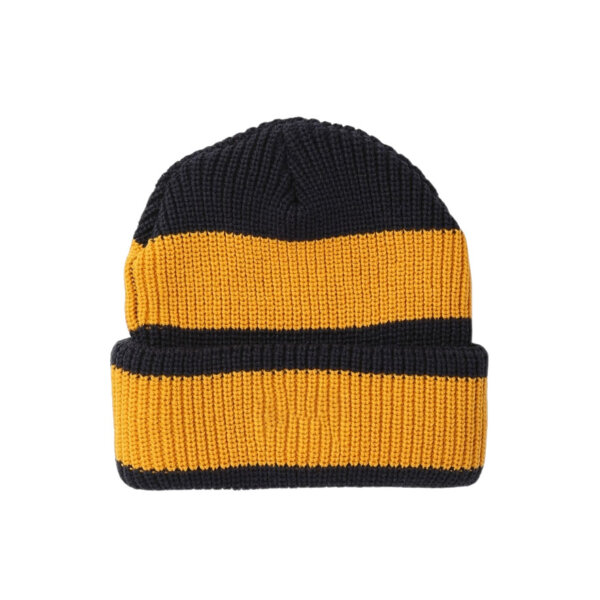
Fiber characteristics are translated into fabric performance through different fiber combinations and textile processes. Woven processes (e.g., twill, canvas) offer stable structure and a smooth surface, providing good support and stiffness to ensure a sharp hat shape, but breathability is significantly affected by weave density. Knitted processes (e.g., used for beanies), formed by interlooping yarns, have a soft, elastic structure that perfectly conforms to head contours. Their natural pores also offer excellent breathability, but shape retention is relatively weaker.
Material ratio is the chemical lever for performance control. Scientific blending can combine strengths and compensate for weaknesses, even creating entirely new functions. For example, outdoor functional hats often precisely blend microfiber polyester, conductive nylon, and a small amount of spandex to simultaneously achieve quick-drying, anti-static, and elastic properties.
The Performance Triangle: Balancing Breathability, Water Resistance, and Anti-Static Properties
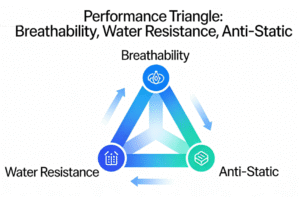 The breathability, water resistance, and anti-static properties of hat fabrics are crucial and require precise balance.
Breathability is the cornerstone of comfort. It depends on the fiber’s moisture-wicking capability and the fabric structure’s ventilation. Natural fibers and synthetic fibers treated with moisture-wicking finishes (e.g., Coolmax® polyester) can actively transport moisture. Knitted fabrics, low-density weaves, or structures with mesh designs create channels for air flow, significantly enhancing dynamic breathability.
Water resistance exists at different levels. Everyday water repellency relies on Durable Water Repellent (DWR) finishes, causing water droplets to bead up and roll off the fabric surface. Professional outdoor protection depends on laminated ePTFE membrane technology (e.g., Gore-Tex®). This microporous membrane blocks rain and snow while allowing sweat vapor to escape, achieving waterproof breathability. Complete waterproofing uses PVC or rubber coatings at the cost of sacrificing breathability. It’s important to note that water-resistant treated fabrics often come with a higher cost.
Anti-static performance is also crucial for comfort. Static electricity is particularly noticeable when wearing hats containing polyester or nylon in dry environments. Modern technology addresses this issue lastingly through internal fiber modification (adding conductive media), blending conductive fibers (e.g., carbon fiber), or applying durable anti-static finishes (e.g., graphene treatment), ensuring no static sparks or dust attraction during wear and removal.
Key Points of Fabric Decoration Techniques
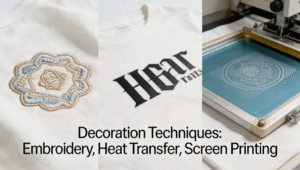 Adding patterns or logos to a hat expresses brand identity and personality, but it must respect the fabric’s characteristics.
Embroidery creates three-dimensional patterns by stitching threads through the fabric, offering premium texture and excellent durability. It is best suited for medium to heavy-weight, tightly structured fabrics like cotton canvas, woolen fabrics, and thick polyester. On these materials, embroidery holds its shape firmly and highlights quality. However, on lightweight or highly elastic knitted fabrics, traditional needle embroidery may cause fabric distortion, or even holes. For functional waterproof-breathable fabrics, embroidery needle holes directly compromise the membrane’s integrity, leading to loss of functionality.
Heat transfer printing applies patterns onto the fabric surface through heat and pressure, enabling colorful, complex designs. It performs best on smooth synthetic fiber surfaces (polyester, nylon), where colors are vibrant and durable. However, on natural fibers like pure cotton, adhesion and vibrancy may be compromised, potentially requiring special transfer paper. Its durability is generally inferior to embroidery, and cracking may occur after long-term abrasion.
Screen printing pushes ink through a stencil onto the fabric, offering rich, opaque colors suitable for large color blocks and graphics. It works very well on absorbent natural fiber fabrics. However, on smooth or water-repellent synthetic fibers, specialized inks may be needed to ensure adhesion.
When choosing a decoration technique, the inherent properties of the fabric itself must be prioritized. During design, pattern size, color contrast, and placement should also be considered holistically with the hat style and fabric characteristics.
Logic of Fabric Application Based on Hat Wearing Scenarios
Different scenarios drive the differentiation of fabric technology.
Casual everyday hats often use cotton, cotton blends, and Lyocell fabrics.
Sports and outdoor hats, emphasizing sun protection, quick-drying, lightness, and protection, frequently utilize synthetic fibers and composite materials.
Winter warm hats focus on heat retention and wind resistance, with materials like wool, cashmere, and fleece dominating.
Fashion statement hats prioritize texture, drape, and unique visual effects, leading to the widespread use of materials like wool felt, leather, and specialty coated fabrics.
Understanding this logic reveals that a perfect hat is the result of precise alignment between its usage scenario, aesthetic design, and fabric performance.
Thank you for reading. The above serves as a reference guide for selecting materials for custom hats. If you have further questions or need to place a custom hat order, please feel free to contact us. We are committed to serving you wholeheartedly.