
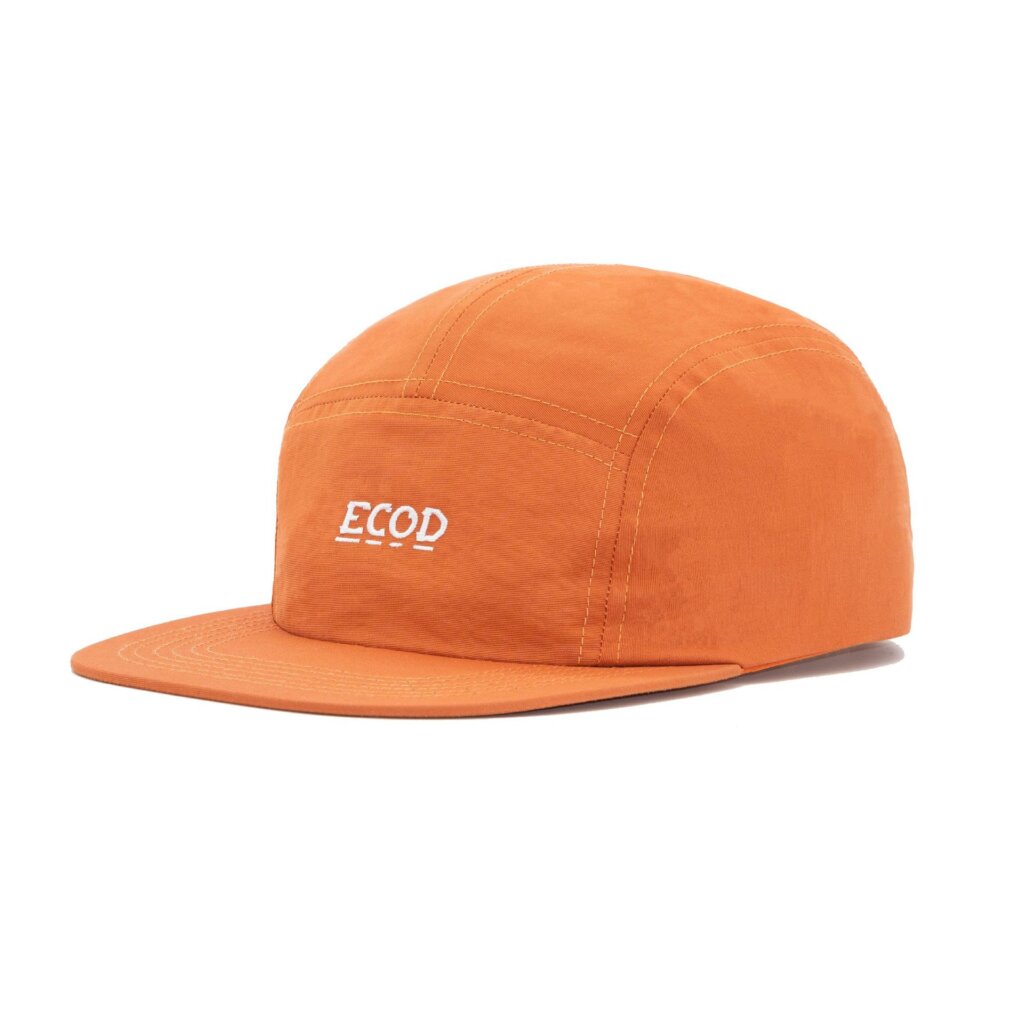
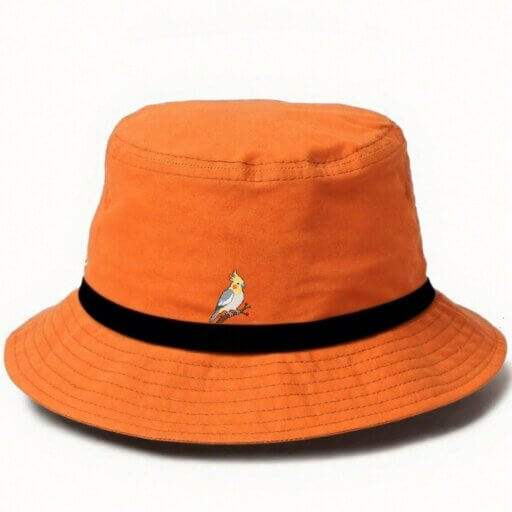
Do you want to know how to customize hats? By the time you read this article, I believe you already have a great idea – applying your designed pattern onto a cap you’ve created. The first step to test whether this creative idea will be recognized by the market is to produce a small batch.
This process is both an expression of creativity and a challenge of meticulous production. This article will delve into the detailed steps of cap customization, highlighting the key points to consider at each stage, helping you create products that not only align with your brand identity but also boast outstanding quality.
Pre-Customization Preparation
First and foremost, it’s crucial to define your brand positioning and target audience, as this directly affects the choice of materials and techniques. For instance, the selection of main fabric materials, materials for various components, and decorations, as well as whether to use embroidery or printing to present the pattern – all these significantly impact costs.
Before starting customization, you need to clarify:
– Your brand positioning (high-end, trendy, sporty, casual, outdoor, etc.)
– The preferences and purchasing power of your target customer base
– Anticipated sales channels and price range
These factors will directly influence your choices regarding materials, techniques, and pricing.
Conceptualizing the Design
Here, you need to consider whether you have unique requirements for the cap style, or if you prefer to choose an existing style and add your brand logo and pattern. Generally, you need to:
– Provide preliminary design sketches or renderings created with design software, primarily to determine the effect you want to achieve.
– Determine the color scheme and color codes (we can provide a Pantone color card for your selection)
– Plan the logo placement and size (front panel, side, back, etc.)
In fact, if you find this step too troublesome, you can simply provide reference images.
Cap Structure and Professional Terminology
Understanding the basic structure of a cap facilitates more efficient communication with manufacturers. For detailed information, you can refer to our article – [Illustrated Guide to Baseball Cap Parts]:
– Crown: The part of the cap covering the head
– Panels: The sections that make up the crown
– Brim / Visor: The protruding front part
– Buckle / Closure: The adjustable part at the back
– Sweatband: The inner absorbent strip
– Eyelets: The ventilation holes on the top
For information on embroidery and printing of patterns, refer to this article – [Guide to Techniques for Presenting Logos with Various Processes]
Detailed Customization Process
Nowadays, the main material choices for various caps are as follows:
– Cotton: Breathable and comfortable, suitable for casual everyday styles
– Polyester: Durable, high color fastness, suitable for sporty styles
– Blends: Combine the advantages of cotton and polyester, balancing comfort and durability
– Wool / Wool Blend: Suitable for autumn and winter seasons, offers a high-end feel
– Eco-friendly Materials: Such as recycled polyester fibers, aligning with sustainable development trends
If you want to learn more about cap materials, you can refer to this article – [Custom Cap Material Selection Guide]
Visor Materials: Hard plastic board is a commonly used material, resistant to deformation. Sponge material is softer and more comfortable. Bendable soft boards are easy to adjust and store.
For more information on visors, please refer to this article – [Visor Material Selection Guide]
Regarding adjustment strap types: Plastic buckles are the most common and have the lowest cost. Metal buckles appear more high-end but come at a higher cost. Hook-and-loop (Velcro) straps offer a wide adjustment range, and elastic materials are also a common choice.
Of course, besides these, you might have special process requirements, such as:
– Washed / Distressed Effect: For a vintage style
– Dyeing Effects: Fashionable treatments like tie-dye, gradient, etc.
– Decorative Elements: Adding features like studs, rivets, etc.
Sample Production
After communicating with the manufacturer to ensure alignment of expectations, the sampling phase begins.
– We will provide a pre-production sample for your confirmation according to your requirements.
– Upon receiving the sample, you will check its consistency with your expectations.
– Evaluate wearing comfort and practicality.
Production Timeline Planning
– Sampling Time: Typically 7-14 days
– Mass Production: 15-30 days (depending on order quantity)
– Logistics Time: 1-2 weeks (considering customs clearance)
– Allow buffer time for unexpected delays
Key Points for Quality Control
– Stitching Quality: Check for uniformity and strength of stitches
– Embroidery Precision: Observe if details are clear, check for broken threads
– Symmetry: Ensure consistency between symmetrical parts (front/back, left/right)
– Color Consistency: Compare with the specified color card for differences
– Functionality Check: Ensure smooth operation of the buckle, correct sizing
Important Considerations
– Larger order quantities lead to lower unit prices (but balance with inventory risk)
– Simplifying processes can significantly reduce costs (though complex processes often make products more competitive)
– Standard colors are cheaper than custom colors
Cap customization is the perfect blend of art and craftsmanship, requiring a balance between creative vision and practical considerations. By understanding the entire process and key points, you can collaborate with manufacturers more confidently to create products that truly represent your brand’s value. Remember, successful customization starts with clear communication, thrives on attention to detail, and is ultimately reflected in the satisfaction customers experience when wearing the product.
It is advisable to adopt a “test order first, then expand” strategy. Start with a small batch to test market response and production quality, then gradually scale up production. This approach helps control risks while allowing for continuous product optimization based on feedback, laying a solid foundation for your independent brand.
Finally, we are committed to providing you with high-quality, more competitive products, and we look forward to establishing a long-term partnership with your brand. Thank you for reading.