

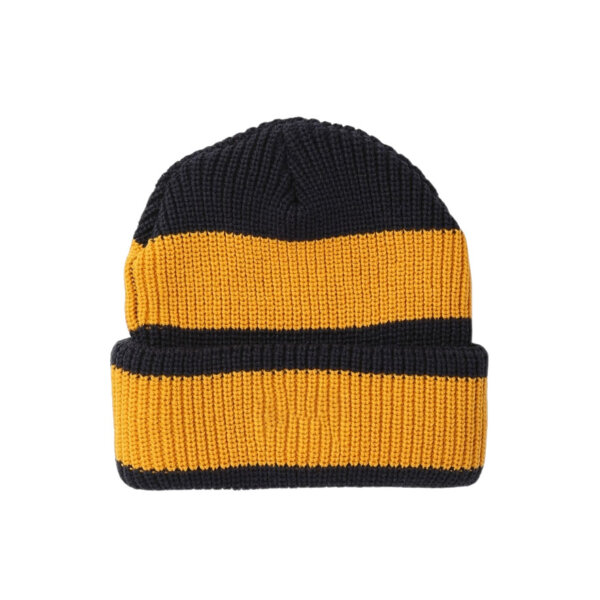
When hitting the slopes for the first time, a beanie seems like a must have item— it’s warm, cute, photogenic, and easy to style.
But here’s the reality: beanies are not designed for skiing. They simply can’t provide the protection and stability needed on the snow.
Real skiing conditions include:Winds of 10–30 km/h, wind chills between 0°C and 10°C, hardpacked or icy snow, highspeed runs, unexpected falls, and long rides on windy chairlifts.
In these conditions, you need:
- Impact protection
- Reliable warmth
- Secure goggle fit
- Wind and snow resistance
- A stable and safe skiing experience
This article will break down the differences between ski helmets and beanies, common mistakes beginners make, and the safe, correct way to dress for the slopes.
How Important Is a Ski Helmet?
In short: extremely important.
What Does a Ski Helmet Do? The main purpose of a ski helmet is – to protect your head during highspeed runs or falls.
Unlike regular sports helmets, ski helmets are equipped with:
- A thermal liner to retain warmth
- Goggle clips to keep goggles securely in place
- Impact certification tailored to skiing/snowboarding
- Better coverage for cold environments
Many ski resorts in North America even require helmets- if ski patrol catches you without one, you might be asked to leave the mountain.
Is a Beanie Suitable for Skiing?
Beanies Are Fine, But They’re Not Ski Gear
Beanies are mainly for warmth—great for casual wear, city strolls, and winter photo ops…But they can’t handle skiing conditions because they lack:
- Impact protection
- Structure to secure goggles
- Wind resistance (chairlift winds cut right through)
- Water resistance (they get wet in the snow)
- Secure fit during active movement
In other words: Once you start moving, a beanie just won’t cut it.
5 Common Problems When Wearing a Beanie While Skiing
A single layer beanie offers zero wind protection
While waiting in line, riding the chairlift, or practicing falling leaf turns, cold wind blows directly onto your forehead.
This can lead to headaches and, in severe cases, even affect your judgment.
A bulky beanie prevents your jacket hood from fitting
When wind and snow pick up, most people pull up their jacket hoods.
But if your beanie is too thick, stiff, or tall:
Pull up → gets stuck
Pull back → still stuck
Pull down → yep, still stuck
You end up standing in the snowstorm, shivering like a frozen (but cute) model.
A thin or loose beanie makes goggles slide constantly
This is especially dangerous:
Goggles will keep slipping down if your beanie isn’t secure.
A gentle glide → they slip to your forehead
A bit faster → they slip to your eyebrows
One fall → they fall right off
Getting teased by your beanie and goggles all day isn’t just annoying—it’s risky.
Absorbent beanies turn into “wet towels”
Loose knit or fluffy beanies soak up moisture instantly in wet snow.
Head indoors → the heater makes them even damper.
Skiing with a wet towel on your head only makes you colder.
Pompoms are adorable—and terribly impractical for skiing
When the wind blows, snow falls, or you pick up speed—that pompom will swing wildly:
Throws off your balance
Affects your posture
Gets caught in your jacket hood
Cute? Absolutely. Practical for skiing? Not at all.
If You Really Want to Wear a Beanie, Follow These 6 Rules:
You can wear one, but it needs to meet skiing demands:
- Choose a double layer or fleece lined beanie
- Avoid styles that are too thick or stiff
- Make sure it fits snugly with your goggles
- Skip the pompoms and tall designs
- Opt for water resistant materials (avoid fluffy wool)
- Beginners must wear a ski helmet, no exceptions
Can a Skate Helmet Be Used for Skiing?
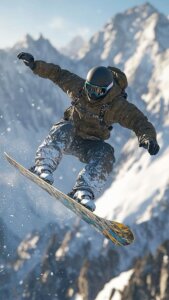
Yes, but it depends on the helmet and its certifications
Many snowboarders use skate helmets for skiing, because They look cool, are cheaper than ski helmets, and can be worn year-round (skateboarding, BMX, biking).
The structures are similar, but there are key differences:
Ski Helmet:
- Added insulation
- Goggle clips
- Tested for impacts on ice and hard snow
Skate Helmet:
- No insulation (you’ll need a beanie underneath)
- Requires additional goggle retention
- Must be a certified sports helmet (this is crucial!)
Never buy an uncertified “safety helmet” to save money—in a crash, it’s as good as wearing nothing.
Conclusion: Always Choose a Helmet for Skiing
Whether you’re a beginner or an expert, remember:
- Always wear a helmet when skiing
- Buckle it securely
- Ensure it fits properly, not too loose
- Choose one with ear coverage for extra warmth
A helmet protects you from:
- Your own falls
- Collisions with others
- High impact hits on ice or hard snow
- Bitter chairlift winds
- Flying skis or equipment (it happens!)
You can wear a beanie anytime off the slopes, but on the mountain, always choose a helmet.
Safety always comes before style, and wearing a ski helmet is a basic rule every skier and snowboarder should follow.
Gear up properly, stay safe, and enjoy the ride!