

Introduction
For independent designers and startup founders, launching a headwear line is not simply a creative exercise. Custom snapback hats are engineered products. Structural components, embroidery density, crown depth, and internal reinforcements directly influence durability, comfort, and brand perception. Drawing on 15 years of OEM experience, this guide highlights the critical factors that can elevate your first production run of customizable snapback hats and minimize costly errors.
If you are sourcing Wholesale Custom Hats for your brand, understanding these technical variables will determine whether your product feels premium or disposable.
1. Structural Engineering: What Holds Custom Snapback Hats Together
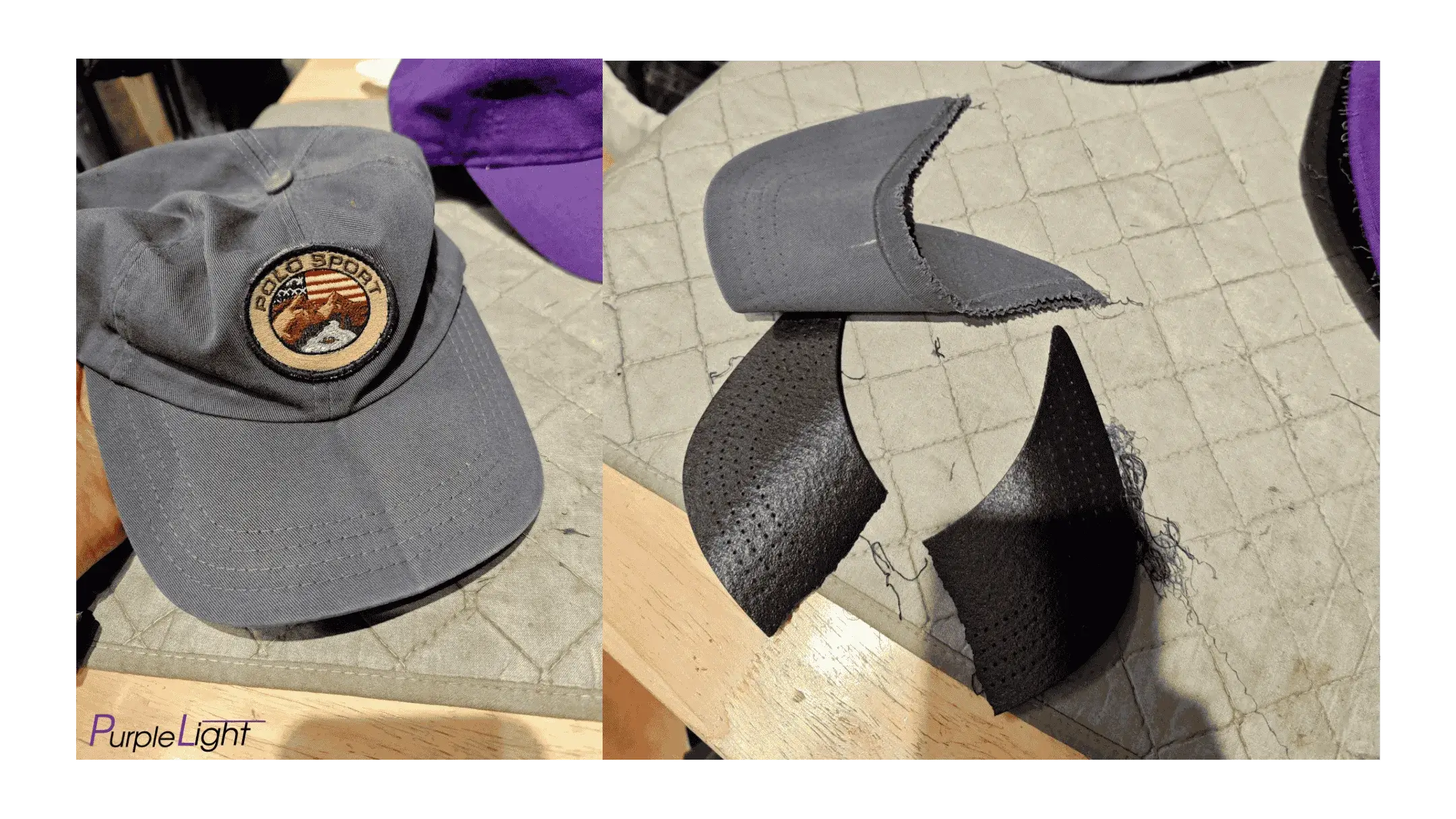
Most brands evaluate price per unit. Few evaluate internal structure.
The difference between entry-level and brand-grade snapback custom hats usually lies inside the front panels and brim.
Buckram & Front Panel Stability
The stiffening layer (buckram) determines whether the crown stands upright or collapses after weeks of wear. Lower-cost suppliers often reduce thickness or use unstable blends. Premium production specifies structured buckram matched to crown height.
Brim Construction: Cardboard vs PE Board
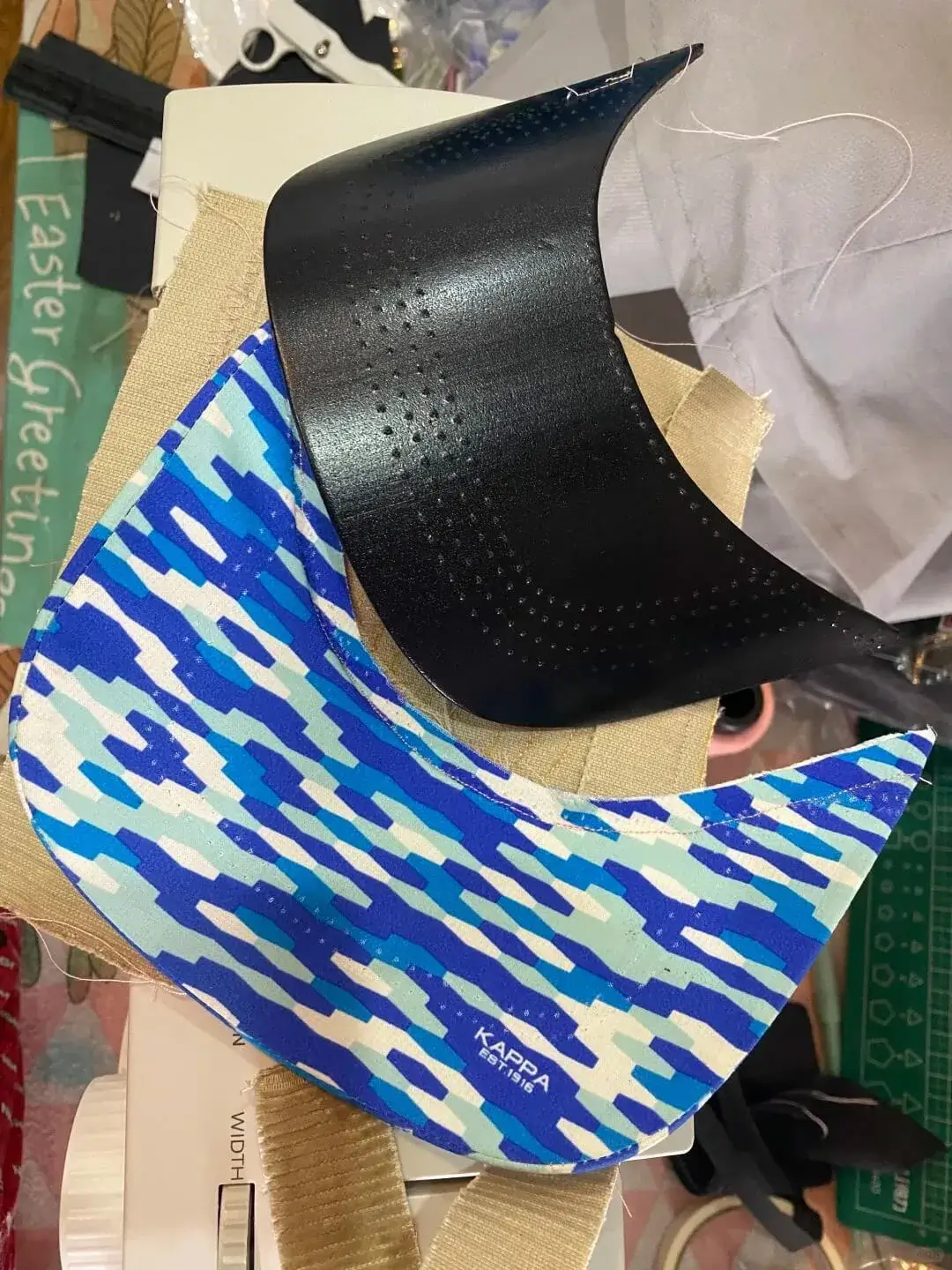
Standard production often uses recycled cardboard inserts. These deform under humidity or washing.
Professional-grade custom made snapback hats use PE (polyethylene) boards combined with setting adhesive. The brim maintains curvature through long-term wear.
Practical instruction: Always request a flex-test sample. Bend the brim fully and observe rebound recovery.
2. Embroidery Engineering in Custom Embroidered Snapback Hats
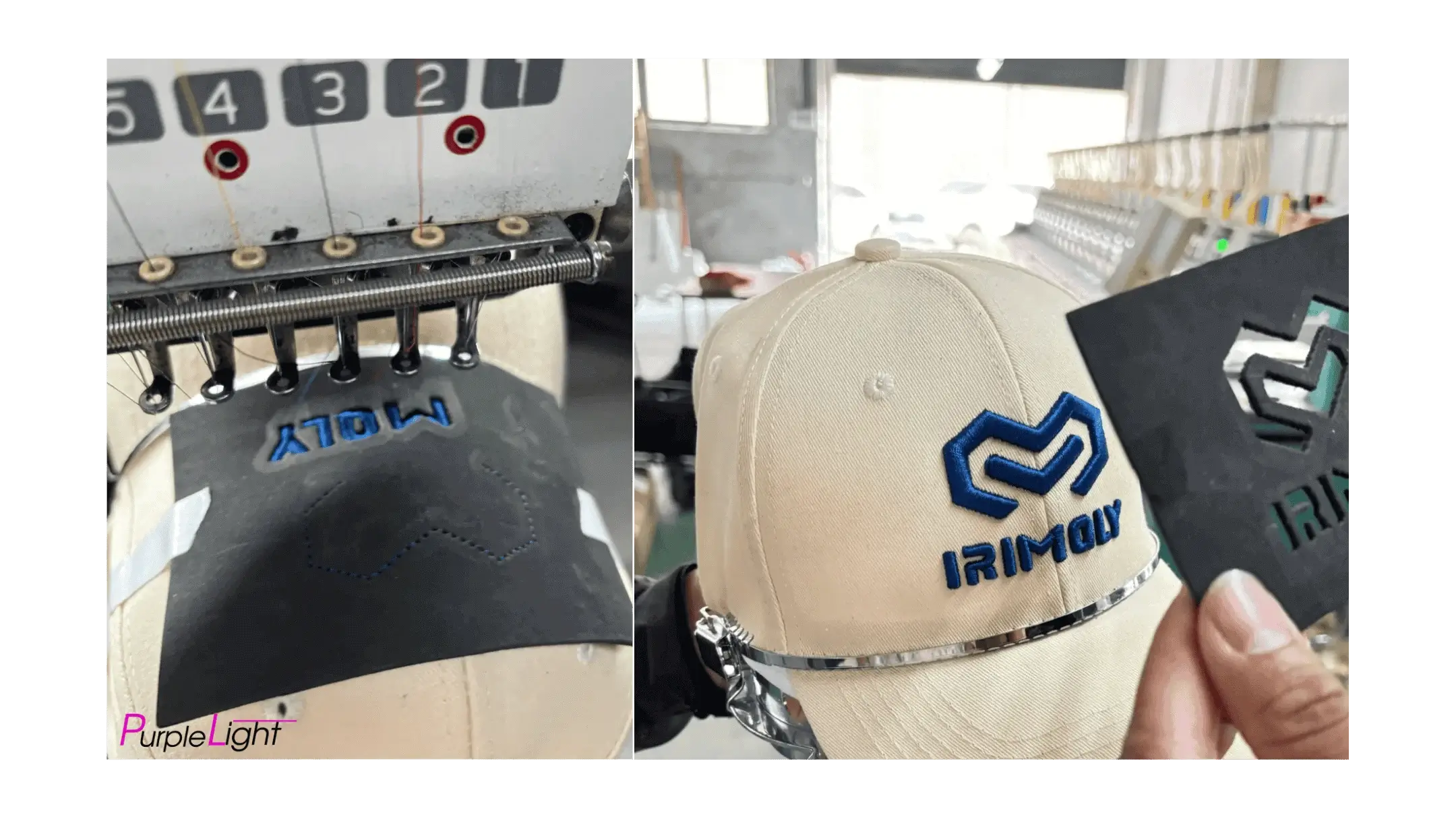
Embroidery quality determines perceived value.
Common startup mistake: approving samples based only on visual appearance, not stitch engineering.
Stitch Density & Digitizing Optimization
High-density stitching without proper underlay causes puckering. Proper digitizing adjusts pull compensation and underlay paths before applying satin or 3D puff layers.
In professional production:
Underlay stabilizes fabric tension
Foam density is selected based on logo size
Heat press parameters prevent foam collapse
If a supplier does not discuss digitizing parameters, they are likely executing standard templates.
Precision embroidery converts a basic cap into a retail-grade product.
3. Fit, Crown Depth, and Silhouette Control
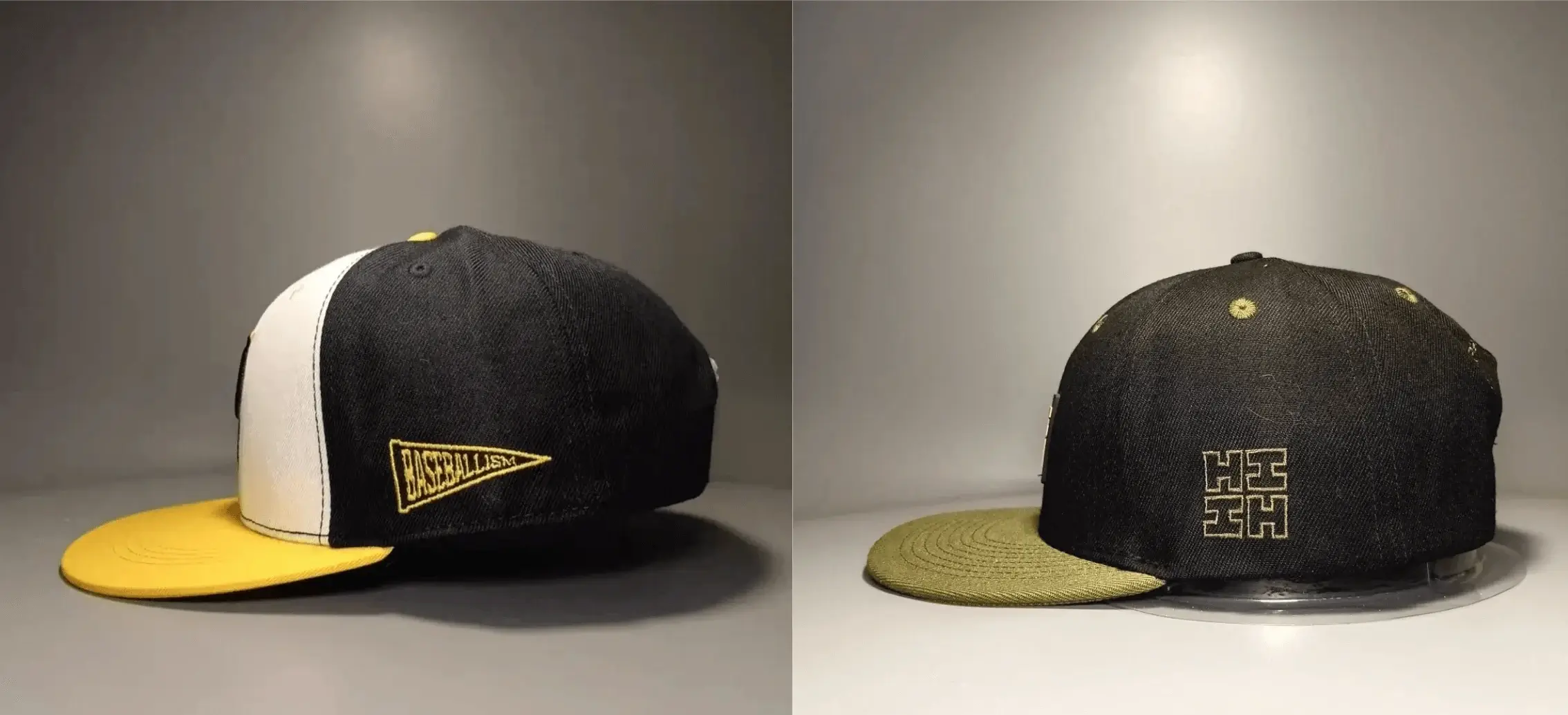
The tactile difference in custom made snapback hats is usually subtle but measurable.
High-end brands often increase crown depth by approximately 1 cm compared to standard blanks. This improves head conformity and reduces upward lift.
Other variables include:
Panel angle geometry
Rear arc curvature
Snap closure material quality (virgin plastic vs recycled brittle plastic)
For customizable snapback hats, define:
Crown height (cm)
Brim width
Snap range
Head circumference tolerance
Without numeric specs, you are buying a blank, not engineering a product.
4. Sampling Strategy and Small-Batch Production
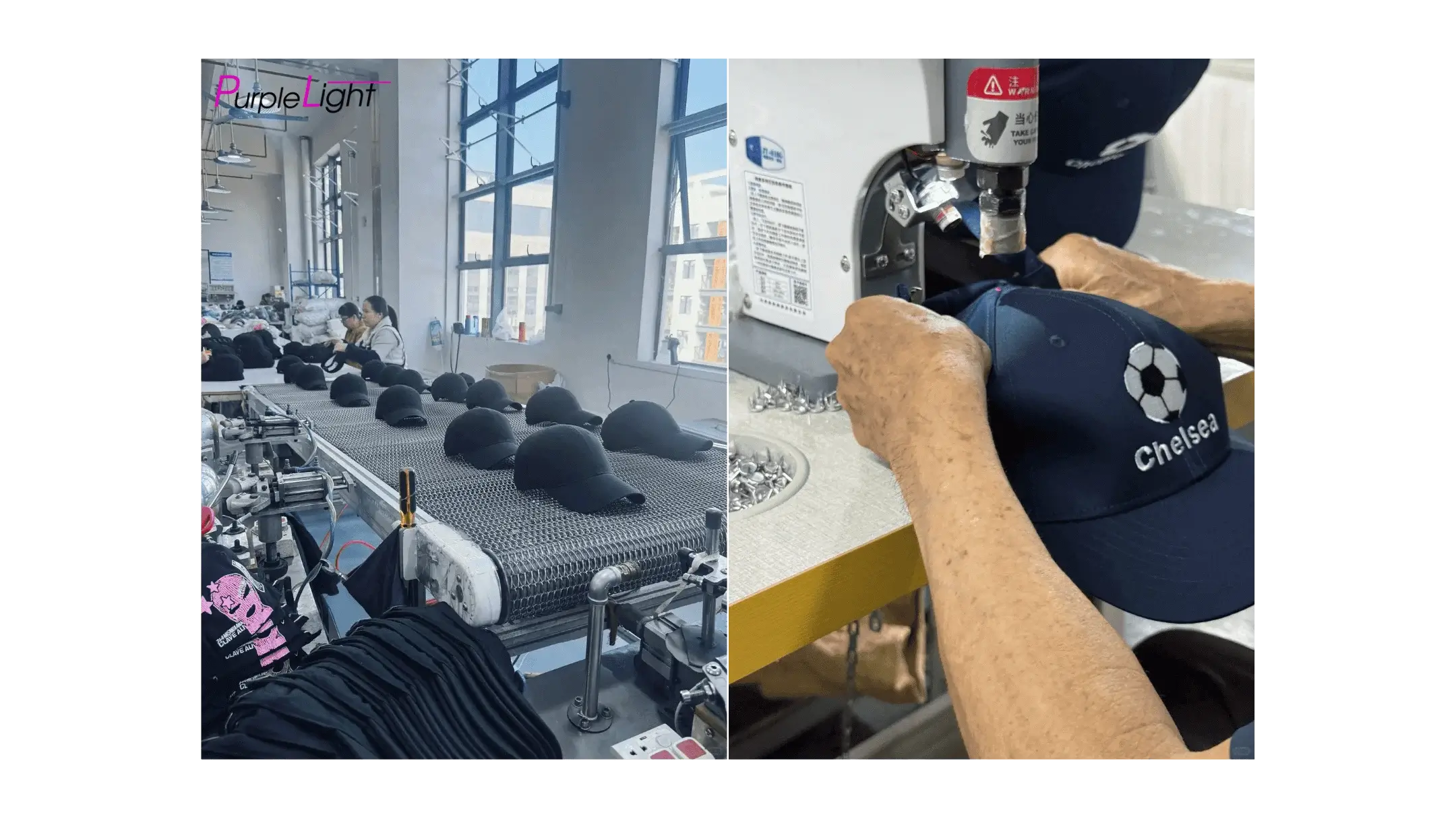
Emerging brands should treat sampling as R&D, not a formality.
A realistic development cycle includes:
3–5 fabric evaluations
Multiple embroidery density tests
2–3 silhouette refinements
Real-world wear testing
A small quantity custom snapback hats factory should support structured sampling, not rush to bulk.
MOQ Strategy
Typical startup-friendly MOQ begins around 100 pieces per style. However:
Each colorway increases material allocation.
Each logo size requires separate digitizing files.
Multiple SKUs increase capital exposure.
Brands that scale successfully simplify early SKU strategy before expanding.
5. Cost Logic: Where to Invest and Where to Control
Incremental upgrades often add $0.50–$1 per unit:
Higher-grade buckram
PE board upgrade
Silent snap closures
Higher stitch density
These changes dramatically affect durability and tactile perception.
Aggressive cost cutting usually damages brand equity faster than it preserves cash.
Invest in structural components first. Decorative complexity can scale later.
Final Strategic Perspective
Custom snapback hats are long-term brand assets, not short-term promotional items.
Evaluate suppliers based on:
Structural transparency
Digitizing discussion
Spec sheet clarity
Sampling discipline
MOQ flexibility aligned with scaling strategy
Avoid suppliers that speak only about price.
If you are planning to develop professional-grade custom snapback hats, request detailed specifications and structured sampling guidance before committing to bulk production.
For a broader overview of production models and OEM cooperation structures, explore our Wholesale Custom Hats resource page and request a technical quotation aligned with your brand roadmap.